
Salford, Manchester
Ardfern, CC BY-SA 4.0
Grade II-listed, 1900, Alfred Darbyshire
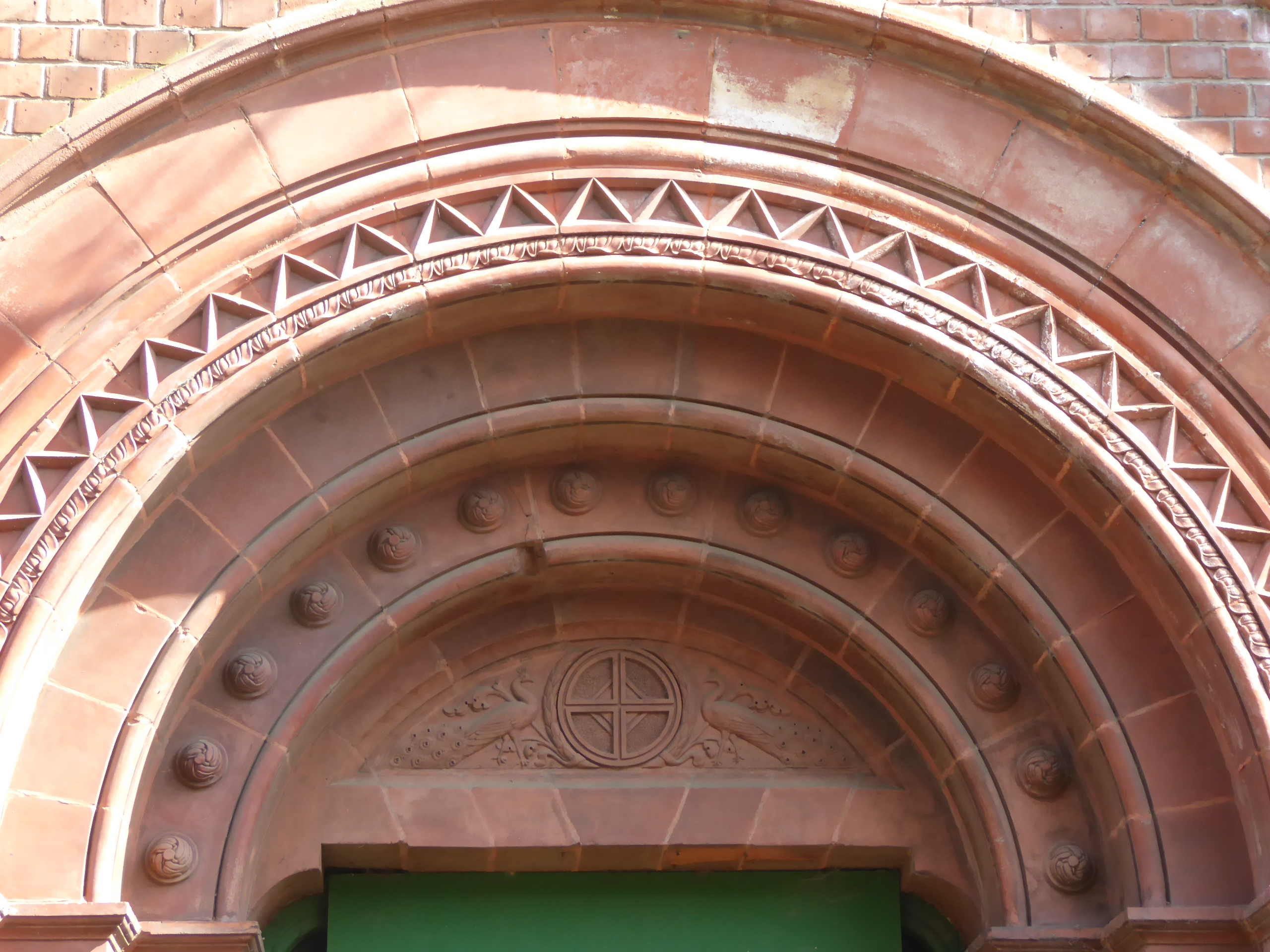
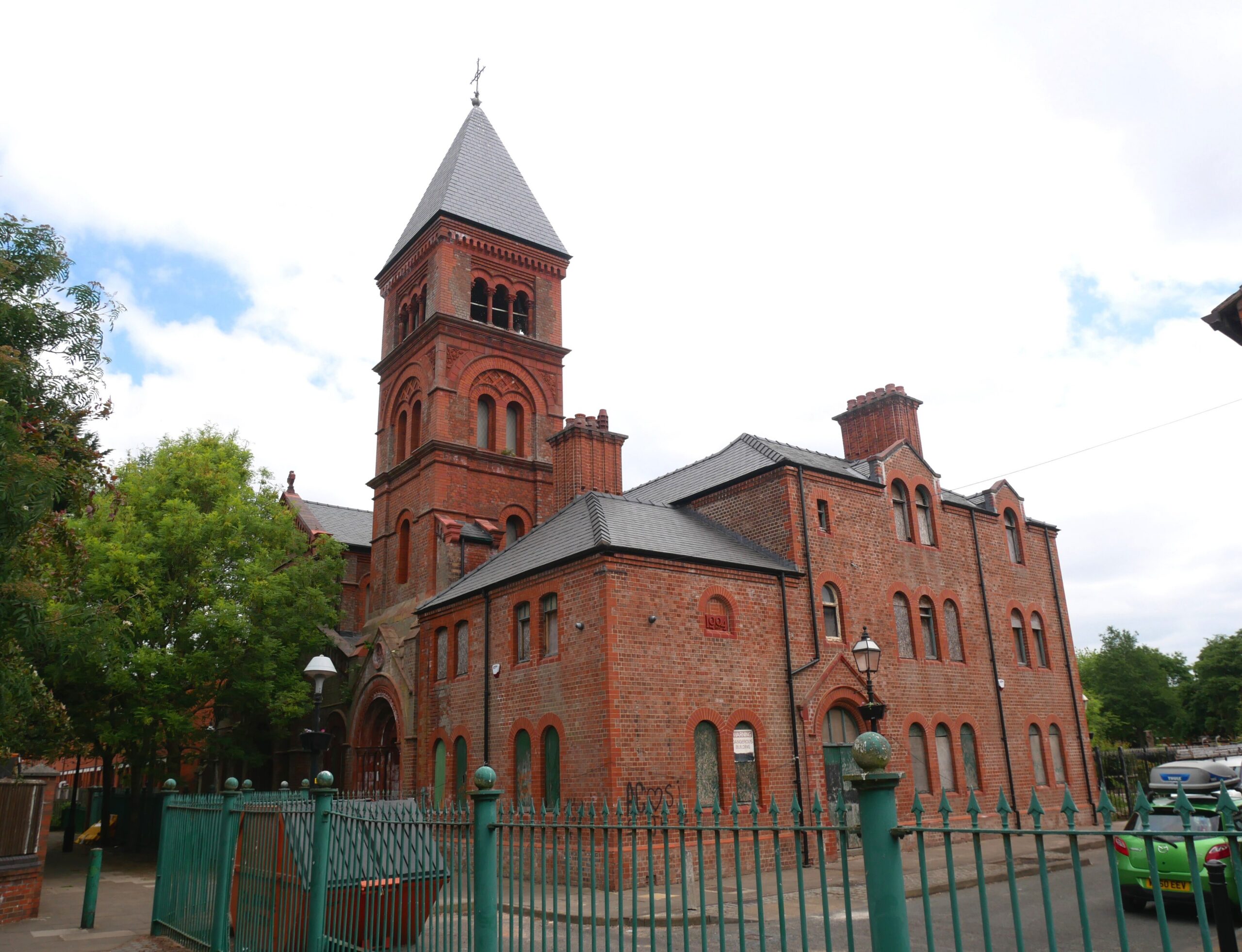
St. Ignatius of Antioch was built in 1900 as part of the New Barracks development, a municipal housing scheme which included several community buildings as well as a church and a rectory – added in 1904. It has a distinctive and well-articulated Romanesque design, and is noted as being one of the few surviving works of Alfred Darbyshire, who is primarily regarded as a theatre architect, overseeing the design and development of new theatres in Manchester and Rawtenstall, Lancashire, as well as alterations and re-buildings of existing theatre buildings in London and Exeter. The church is a landmark in the local area, maintaining a strong contextual relationship with the nearby Salford Lads Club and the other surviving redbrick and terracotta buildings in the New Barracks estate.
Doyle of London, CC BY-SA 4.0
The church has been little altered externally and though some internal alteration has taken place, the interior of the church retains many of its original features, including painted panels, glazed tiling, and reredos depicting the Last Supper. The effect of the Romanesque elevations continues, with polished granite and pink sandstone piers in the nave, and arcading containing highly decorative mosaic work in the chancel apse. The walls are mostly plastered with a brown glazed tile dado to the nave and side aisles, though some plaster has been removed from the tower entrance, exposing the red brick.
The first major change came in the 1990s, when the chancel was separated from the rest of the building and worship was transferred there due to a dwindling congregation. By the twenty-first century, it had largely fallen out of use. The church has been entirely vacant since its de-consecration in 2004 and is now in a perilous state. The church has suffered from theft and vandalism in recent years and there are concerns that the removal of period features is compromising its historical significance. The local council should aim to secure the site and explore potential sustainable uses.
Status Update / March 2026
In 2020, the CEDE Foundation received grant funding from the Architectural Heritage Fund to acquire the building. As a not-for-profit group, focusing on child education and empowerment, CEDE has committed to returning the disused church to community use. Their proposals involve restoring and redeveloping the main building as a multi-purpose community centre, incorporating training and conference facilities. Urgent works to repair the roof and stop water ingress are already underway.